Simple Ways to Protect Your Yard and Help Plants Last Longer
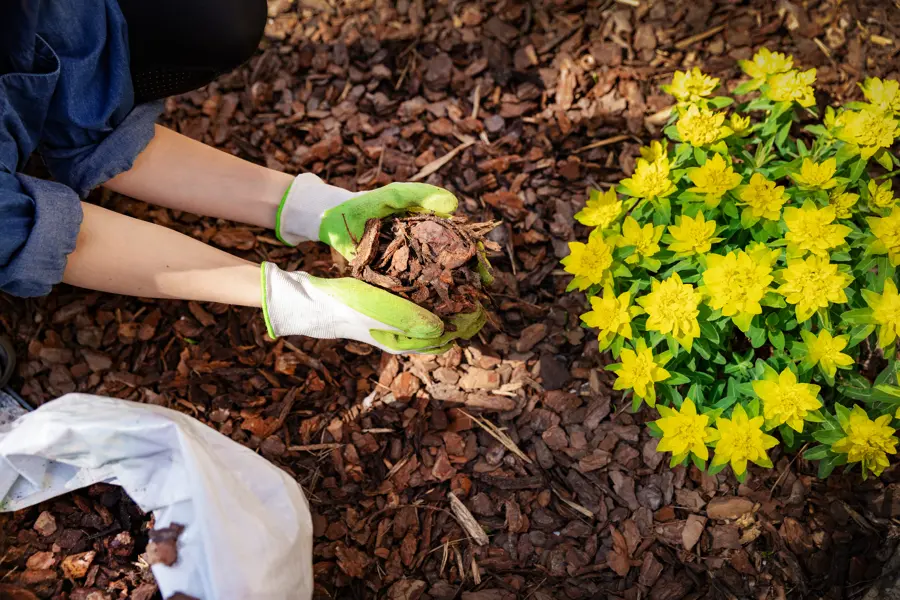
Applying mulch the right way helps soil hold moisture, keeps roots cooler, slows weed growth, and protects plants over time. If your goal is a yard that stays healthy longer, the best approach is to use the right material, spread it at the right depth, and keep it away from trunks and stems. In Flowery Branch, GA, this can also help reduce stress from heat, dry spells, and heavy rain.
Why Prevention Matters
Good mulch does more than make a yard look neat. It acts like a shield for the soil. It can help stop fast drying, reduce erosion, and limit weed spread. Proper mulching also helps roots stay more stable when weather changes. That matters for flower beds, shrubs, trees, and garden edges. Even a basic service category plan for yard care often includes mulch because it supports long-term plant health.
Without that layer of protection, soil can dry out faster. Rain can wash loose dirt away. Weed seeds can sprout more easily. Over time, these small problems can shorten the life of your landscape. A little prep and regular upkeep can help prevent bigger issues later.
Early Warning Signs
You can often tell when a mulch bed needs attention by looking for a few common signs. Plants may look tired even after watering. The soil may crack or feel hard. Weeds may start popping up all over the bed. You may also see mulch packed down into a thin layer, or notice bare spots where rain or wind moved it away.
Another sign is mulch piled too high around tree trunks or plant stems. This can trap moisture in the wrong place and lead to rot, pests, or weak growth. If the bed smells sour or looks slimy, the material may be breaking down poorly or holding too much water.
Seasonal or Routine Checklist
A simple routine can make mulching more effective and help your landscape last longer. Before adding anything new, check the condition of the bed and the plants in it.
- Pull weeds and remove fallen sticks, leaves, and trash.
- Loosen packed soil lightly if the surface feels hard.
- Check the old mulch layer and remove only what is matted or moldy.
- Choose a mulch type that fits the area, such as bark, wood chips, or pine straw.
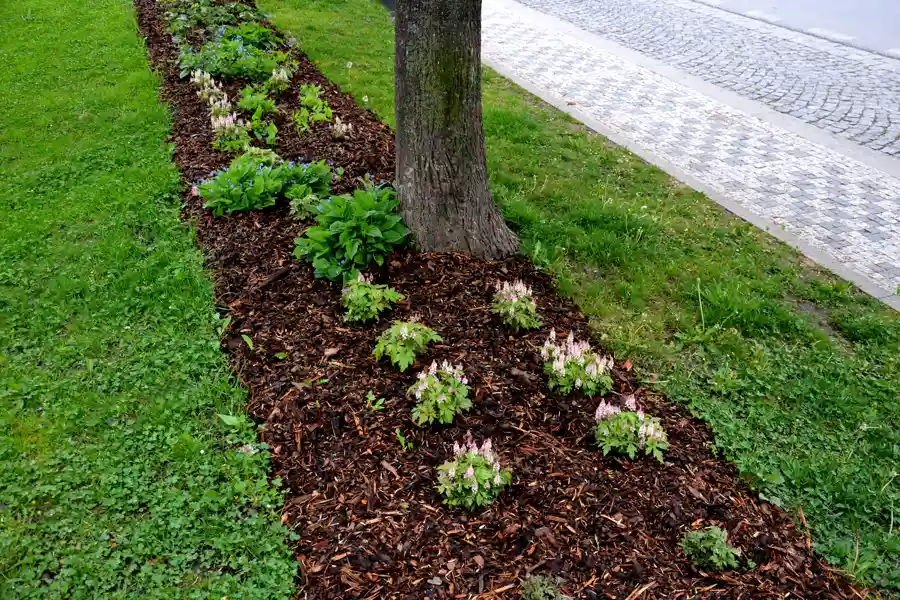
- Spread mulch in an even layer about 2 to 3 inches deep.
- Keep mulch a few inches away from trunks, stems, and house siding.
- Rake the surface smooth so water can soak in evenly.
- Check the bed after storms and refill thin spots as needed.
Spring and fall are common times for this work, but touch-ups may be needed in summer after heat, wind, or strong rain. Beds near slopes, downspouts, or driveways may need more frequent checks.
Best Practices for Long-Term Results
The best mulch job is not always the thickest one. A moderate layer usually works better than a deep pile. Too little may not block weeds or protect soil well. Too much can keep air and water from moving as they should. That can stress plant roots.
Pick materials that match the space. Shredded bark often stays in place better on flat beds. Wood chips can work well around trees and larger planted areas. Pine straw can be useful on slopes because it weaves together. In vegetable gardens, lighter organic materials may break down faster and feed the soil.
Edging can also help your mulching last longer. A clear bed edge keeps material from washing into grass or onto sidewalks. Watering habits matter too. Slow watering helps moisture reach roots without blasting mulch out of place. If you refresh beds each year, do not keep stacking new layers without checking depth first.
What Not to Do
Many landscape problems start with a few common mistakes. One is making mulch volcanoes around trees. That means piling it high against the trunk. It may look tidy at first, but it can harm bark and invite insects. Another mistake is laying mulch over weeds without clearing them first. The weeds often grow right through it.
- Do not spread mulch too close to plant stems.
- Do not make the layer deeper than needed.
- Do not add new mulch without checking the old depth.
- Do not use material with a bad smell or signs of rot.
- Do not block vents, drains, or hard surfaces with loose mulch.
It is also smart to avoid using one method for every part of the yard. A shady flower bed, a tree ring, and a sloped bank may all need different materials or depths. A one-size-fits-all approach can lead to runoff, soggy roots, or bare patches.
When to Schedule Professional Help
Some mulch jobs are simple weekend projects. Others are harder to manage without help. Large properties, steep slopes, drainage trouble, and mature trees often need a more careful plan. If beds keep washing out, weeds keep coming back fast, or plants seem stressed no matter what you do, it may be time to bring in a trained crew.
Professional mulching can also help when timing, material choice, or bed layout is causing problems. A team can spot drainage issues, correct depth, and improve coverage so the mulch supports the whole landscape instead of just covering the ground. This can save time and help avoid damage from poor placement.
Get Help With Healthier Landscape Beds
If you want longer-lasting mulch beds and healthier plants in Flowery Branch, GA, reach out for guidance that fits your property. At Oakwood Landscape and Design, we can help refresh worn areas, fix problem spots, and build a plan that supports your yard over time. Call us at (678) 541-3324 to talk about the next steps.