Strong Surfaces and Smart Layout Help Yards Last Longer
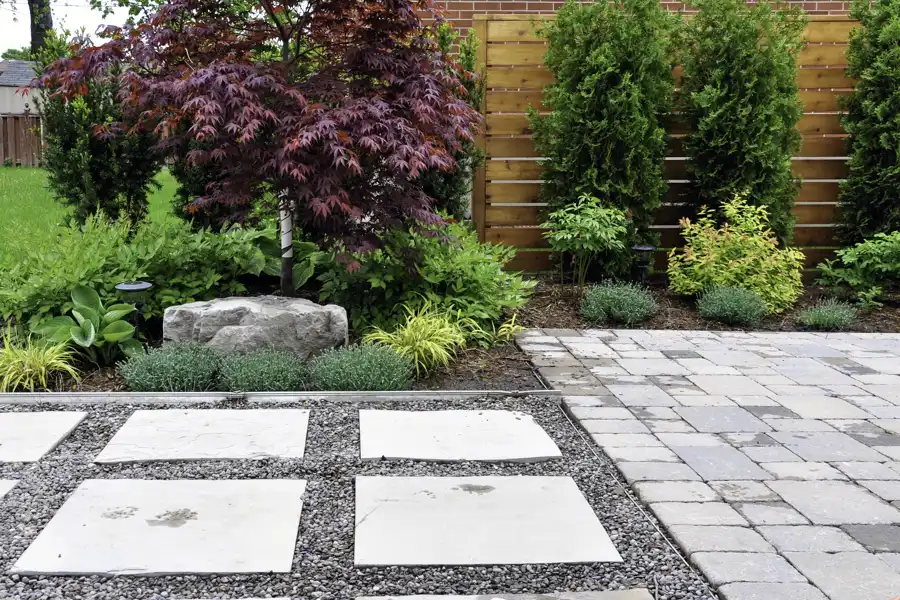
Hardscaping adds durability and structure to your yard by creating solid surfaces, controlling wear, and giving each part of the space a clear purpose. Patios, walkways, retaining walls, edging, and stone features help yards handle foot traffic, rain, and shifting soil better than open ground alone. They also make the yard easier to use and maintain. If you want an outdoor space that stays neat and works well year after year, hardscaping plays a big part.
What You Need Before Starting
Before any project begins, it helps to know how your yard is used now and what problems need fixing. Some yards need better drainage. Others need safer paths, less mud, or more support on a slope. A good plan starts with the shape of the yard, the type of soil, and how water moves after rain. You should also think about sun, shade, and where people walk most often.
The service category keyword may be broad, but it still matters to look at the full outdoor space, not just one feature. A patio might solve one need, while a walkway, border, or wall may solve another. When each part works together, the yard feels more balanced and lasts longer.
Step-by-Step Process
A simple process can help you see how hardscaping brings order and strength to a yard.
- Look for weak spots in the yard. These may include muddy paths, bare areas, washout zones, or places where grass will not grow well.
- Decide how the space should function. You may want a spot for seating, a path from the driveway, or support for a sloped area.
- Pick the right materials. Pavers, natural stone, gravel, brick, and concrete all work differently. The best choice depends on use, style, and weather.
- Plan for drainage. A strong surface still needs water control. Slight slope, base material, and runoff planning help protect the finished work.
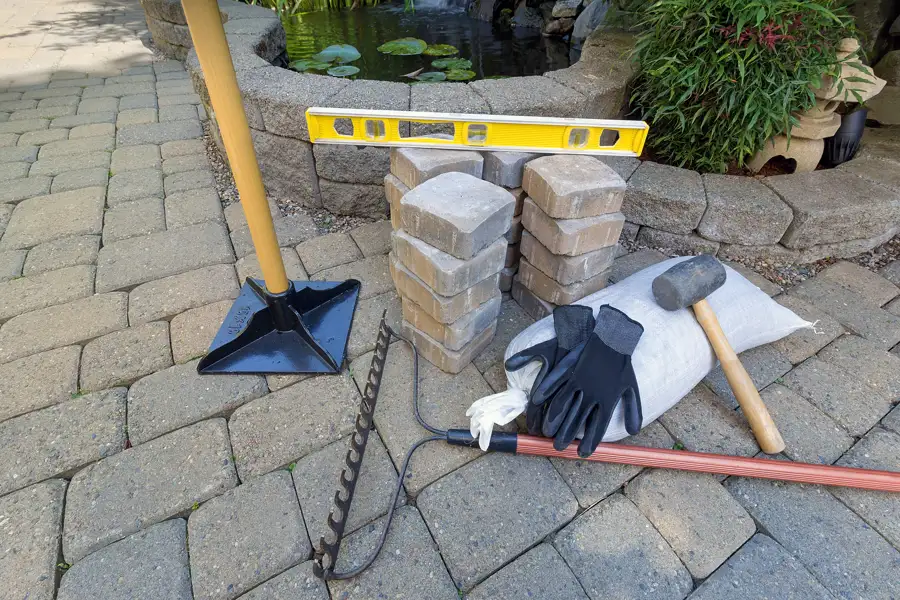
- Build a solid base. This step matters most. A weak base can lead to sinking, shifting, and cracks later.
- Install borders or edges. Edging keeps materials in place and gives the yard a cleaner shape.
- Blend hard features with soft areas. Plants, mulch, and lawn should work around the built features, not fight them.
Each step supports the same goal: a yard that looks organized and handles daily use with less damage.
Common Mistakes to Avoid
One common mistake is putting in a new surface without fixing the reason the area fails in the first place. If water collects in one corner, a new patio alone will not solve that. Another mistake is using the wrong material for the job. Loose gravel may work well for a path, but not for a dining area where chairs need a flat surface.
Some people also skip base prep to save time. That often leads to uneven settling. In colder areas, freeze and thaw cycles can make poor installation show up fast. Another issue is building features that are too small. A walkway should feel easy to use. A patio should have enough room for people and furniture. Good structure comes from good sizing as much as good materials.
When to Call a Professional
Some small yard projects are manageable, but larger hardscaping work often needs expert planning and installation. This is especially true if your yard has slopes, drainage problems, soil movement, or a need for retaining walls. These projects must do more than look good. They need to hold up under pressure and weather.
You may also want help if your yard feels scattered or hard to use. A trained team can spot ways to improve flow, connect spaces, and make the layout make more sense. In many cases, a professional plan saves money over time because it helps avoid repairs caused by poor grading, weak base work, or bad water movement.
How Structure Improves Daily Use
Structure is not just about appearance. It changes how people move through the yard and how the yard performs. A direct walkway keeps traffic off the grass. A retaining wall can turn a hard slope into a useful level area. A patio gives outdoor furniture a stable place to sit. Borders around beds help separate plants from lawn and reduce mess.
These changes also make upkeep easier. When spaces have clear edges and defined uses, mowing, trimming, and cleanup usually take less time. That is one reason hardscaping is often a smart long-term choice. It supports both beauty and function without asking the yard to do more than it can handle on its own.
Why Durable Materials Matter
Durability matters because outdoor surfaces face sun, rain, changing temperatures, and regular use. Grass can wear down. Soil can wash away. Mulch can move after storms. Built features help reduce those problems. Stone and pavers hold shape better than loose ground. Concrete can create a stable base for heavy use. Brick can add classic style while helping define space.
That does not mean every yard needs large built areas. Even small additions can help. A short path through a wet area, a border near planting beds, or a compact sitting area can improve how the yard works. The key is placing each feature where it solves a real problem or supports a daily need.
Final Recommendation
If you want a yard that holds up better and feels more organized, hardscaping is often one of the best ways to get there. It protects busy areas, supports clean design, and helps shape the yard into zones that are easy to use. The best results come from matching the right feature to the right purpose, with careful planning for water, traffic, and layout.
Get Help With the Right Plan
For property owners in Flowery Branch, GA, hardscaping can make outdoor spaces stronger, safer, and easier to enjoy. At Oakwood Landscape and Design, we can help you choose features that fit your yard and your goals. Call us at (678) 541-3324 to talk about ideas, ask questions, or set up your next step.